
One of the advantages of living in Manchester is how quickly you can reach decent walking country. In under an hour, you can be on open moorland, around reservoirs, or following well-established paths through the Peak District and surrounding hills. It makes fitting a proper walk into a weekend — or even a half day — far easier than you might expect.
Below are some of the best walks within an hour’s drive of Manchester, offering a mix of easy routes and more demanding hikes.
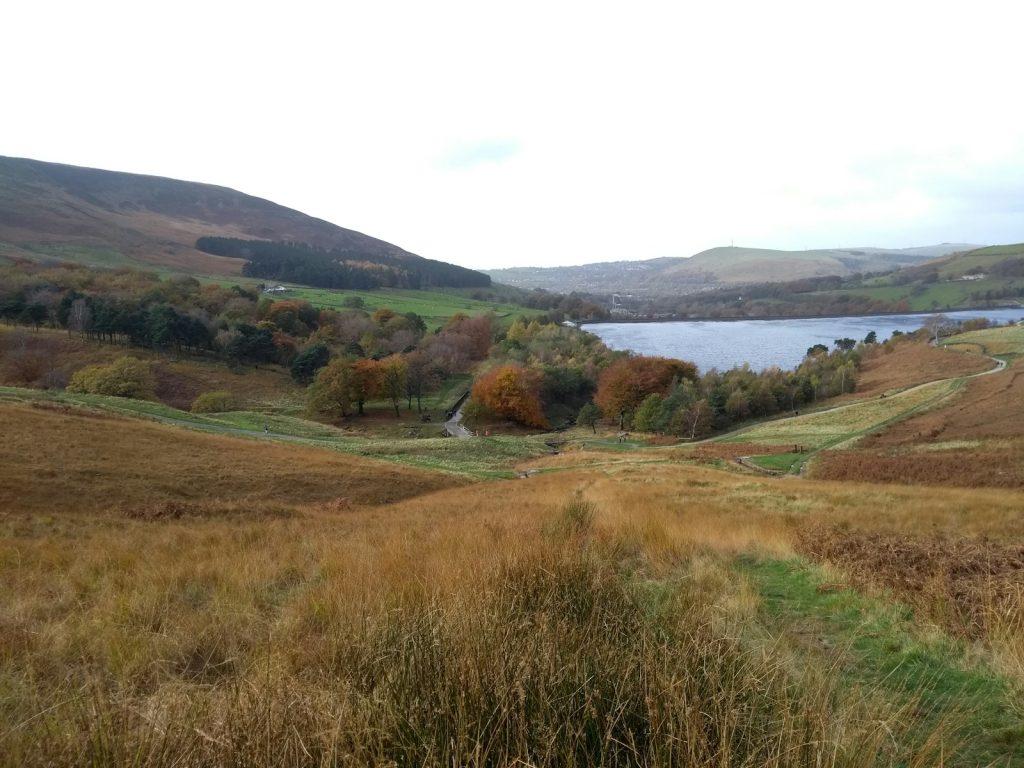
Dovestone Reservoir sits at the edge of the Chew Valley and is one of the most accessible walking areas close to Manchester. The main reservoir loop is well maintained and mostly level, making it suitable for a wide range of walkers, but the surrounding hills offer plenty of scope to extend the walk.
From the car park, you can follow the path around Dovestone itself for a shorter route, or continue past Yeoman Hey and Greenfield reservoirs for something longer and quieter. Heading towards Ashway Gap introduces more height and open views, with routes that feel noticeably less managed once you leave the main paths.
Underfoot conditions vary. The lower paths are firm and clear, but moorland sections can be uneven and boggy after wet weather. In winter or after heavy rain, waterproof boots make a big difference. The area is exposed higher up, so even short walks can feel colder than expected.
Dovestone works well for mixed-ability groups because routes can easily be shortened or extended. It’s also a good option year-round, provided you plan around weather and parking. Early starts help avoid the busiest periods, particularly on warm weekends.
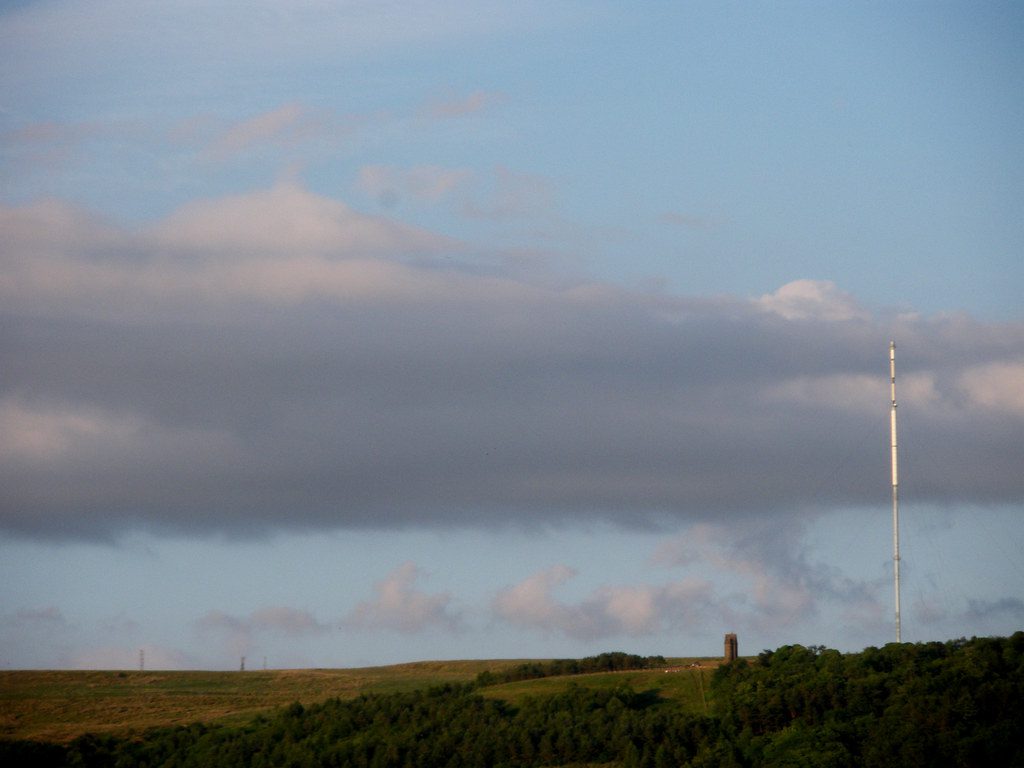
Rivington Pike is one of the best-known walking spots in the West Pennine Moors. The climb to the Pike itself is short but steady, with clear paths and wide views over the surrounding reservoirs once you reach the top.
Beyond the Pike, many routes continue onto Winter Hill, where walkers can visit the Manx Aircrash Memorial, marking the site of the 1948 Winter Hill air disaster. The walk to the memorial is straightforward in good conditions, following well-used paths across open moorland. It’s a quiet and reflective point on the route, and for many walkers it adds historical context to the landscape rather than simply being another viewpoint.
From Winter Hill, routes can be extended onto Anglezarke Moor, where paths are noticeably quieter and the walking feels more remote. Circular routes link the moorland with reservoirs and lower paths, making it easy to tailor the walk to different distances.
The area is exposed, and weather has a big influence on how the walk feels. Wind is often stronger than expected, and low cloud can reduce visibility quickly. Underfoot conditions are generally good, though some sections become uneven or waterlogged after heavy rain.
Rivington and Winter Hill work well year-round, particularly for walkers who want open views and points of interest without committing to a full Peak District day.
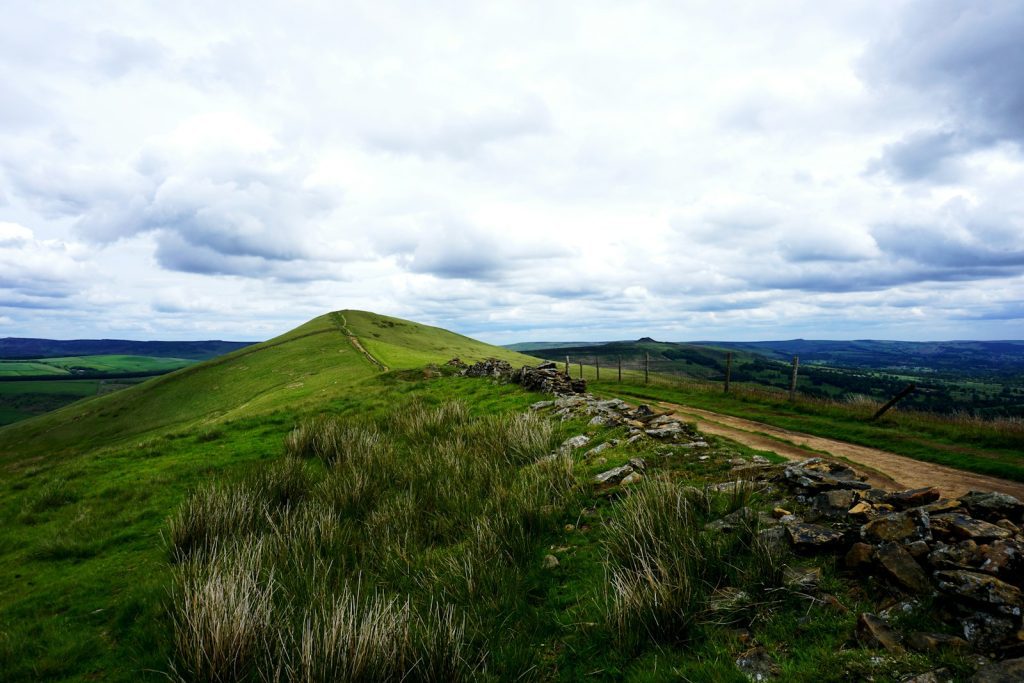
The Great Ridge between Mam Tor and Lose Hill is one of the most reliable walks in the Peak District. The route follows a clear, well-maintained path along the ridge, with steady gradients and continuous views on both sides.
Starting from Castleton or the Mam Tor car park, the walk can be done as a shorter out-and-back or extended into a longer circular route via Edale or Hope. Despite its popularity, the ridge rarely feels difficult underfoot, making it accessible to most walkers in good conditions.
Exposure is the main consideration. The ridge offers little shelter, and wind can make the walk feel harder than expected, particularly in colder months. In poor weather, conditions can deteriorate quickly, so timing and preparation matter.
Mam Tor and the Great Ridge suit walkers who want classic Peak District scenery without technical terrain. It’s busy at peak times, but early starts or weekday visits help.
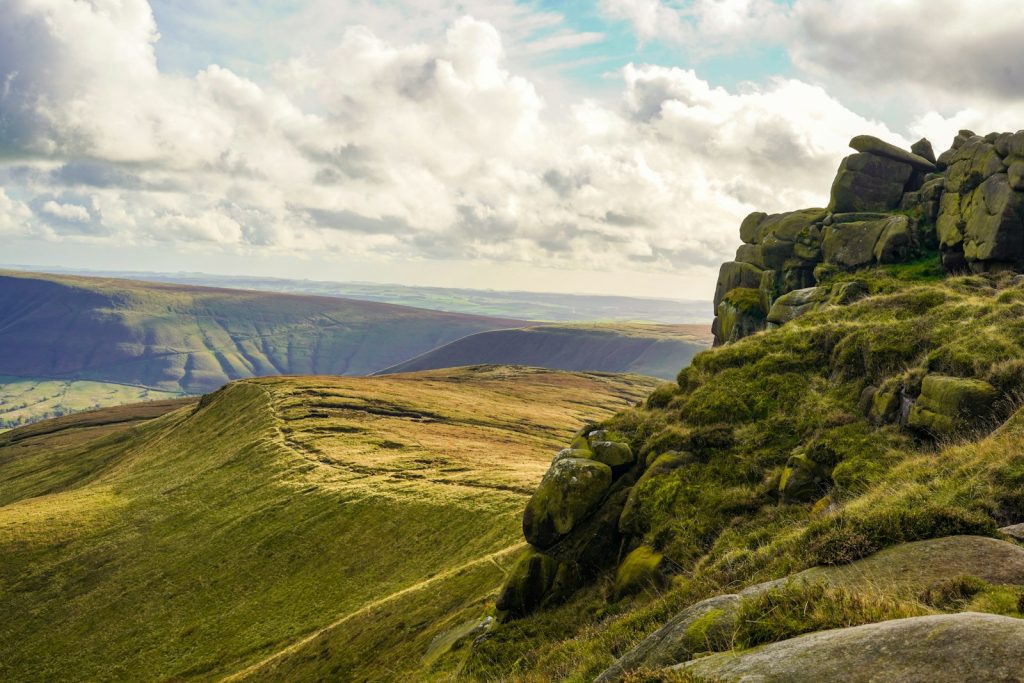
Kinder Scout is one of the more demanding walks within easy reach of Manchester, but it’s also one of the most distinctive. Starting from the village of Edale, most routes climb steadily onto the Kinder plateau, where the landscape opens out into broad gritstone edges and peat paths.
There are several ways up, with Jacob’s Ladder being the most direct and popular. Longer routes loop around the plateau, passing features such as Kinder Downfall and the edges above the Vale of Edale. While paths are generally clear, the plateau itself can feel confusing in poor visibility, and underfoot conditions are often wet, even in drier months.
This isn’t a walk to rush. Progress across the top can be slower than expected, particularly after rain, and weather conditions can change quickly. On clear days, the sense of space and elevation makes the effort worthwhile.
Kinder Scout suits confident walkers who are comfortable with uneven ground and longer distances. It’s less forgiving than many Peak District routes, but it offers a wilder feel that’s hard to match so close to the city.
Etherow Country Park is a good choice when time or energy is limited. The routes here follow the river and reservoirs, with mostly flat, easy-going paths that are simple to navigate.
Walks can be kept short within the park itself or extended towards Broadbottom and the surrounding countryside. While it lacks the height and views of hillier areas, it offers a quieter, more sheltered walk that works well in poorer weather.
Paths are generally clear, though sections can become muddy after heavy rain. It’s a useful option for recovery days, casual walks, or when you want to stay closer to home without sacrificing a decent stretch of countryside.
Etherow suits beginners and experienced walkers alike, particularly those looking for an easy-paced walk that can be adjusted on the day.
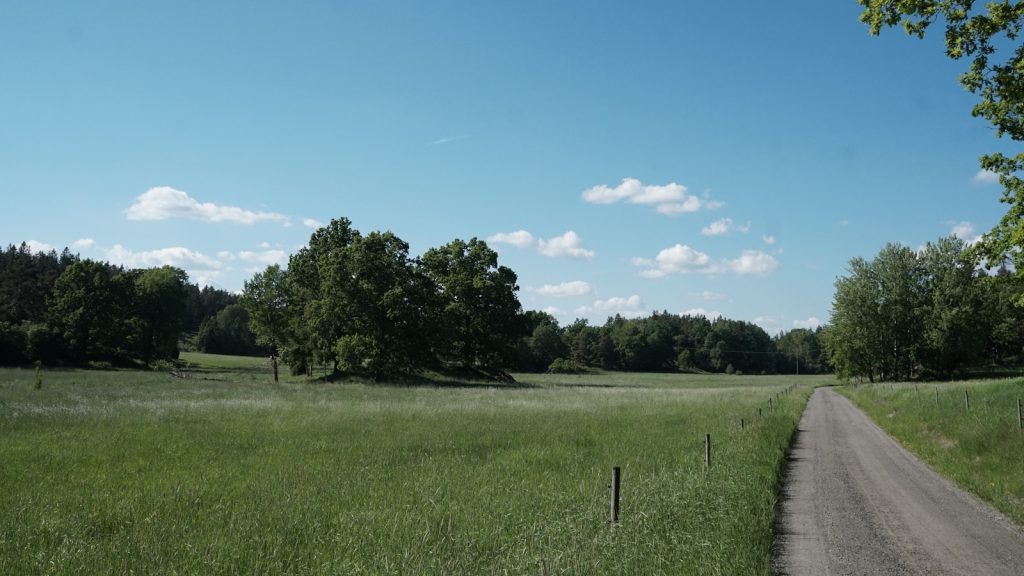
Lymm Dam is a popular local walking spot, particularly for shorter or more relaxed routes. The dam itself is small, but the surrounding woodland and footpath network provide enough variety to turn a simple loop into a longer walk if needed.
The main path around the dam is flat, well surfaced, and easy to follow, making it accessible for most walkers. From there, routes can be extended into the surrounding woods and fields, with footpaths linking towards the Bridgewater Canal and quieter rural lanes on the edge of Lymm. These extensions add distance without significantly increasing difficulty.
Underfoot conditions are generally good, though shaded woodland sections can become muddy after heavy rain. Because the area is sheltered and low-lying, it’s a reliable option when weather conditions on higher ground are less favourable. It’s also well suited to winter walking when daylight is limited.
Lymm Dam works best for casual walks, recovery days, or when time is short. While it doesn’t offer big views or elevation, it provides a straightforward, pleasant walk close to Manchester that’s easy to adapt depending on how far you want to go.
One of the strengths of walking around Manchester is the range of options available within a relatively short drive. From exposed moorland and well-known Peak District routes to quieter, low-level walks closer to the city, there’s enough variety to suit different abilities, time constraints, and conditions. Many of these routes can be adapted on the day, which makes them practical choices rather than destinations that require detailed planning. Whether you’re fitting a walk in around other plans or heading out for a longer day on the hills, these walks show just how accessible good walking is from Manchester.